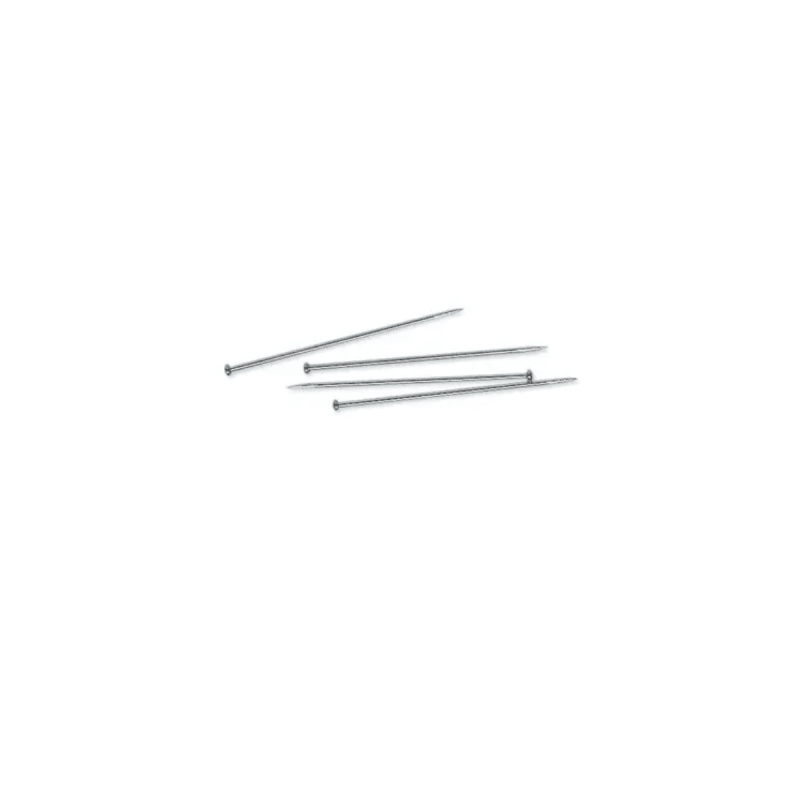
Dissecting Pins Steel Pins
JN-PNS-2
Vendor: JOANLAB
Low stock! Only 10 left
Regular price
R 102.00
Sale price
R 102.00
Regular price
Unit price
per
Tax included.
Shipping calculated at checkout.
Couldn't load pickup availability
- Fast Nationwide Delivery
- 100% Quality Guaranteed
- Reliable & Secure Payments
Have a question about this product?
Send us a message and we'll get back to you.
These dissecting pins are steel pins used to hold biological specimens in place during examination. They have smooth, sharp needle points and accurately formed heads for easy handling, and are 2" (about 50mm) long.
Common Uses in the Lab
- Securing specimens: Pins fasten a specimen and its outer tissue layers (such as skin or muscle flaps) to a dissecting pan. This stops the specimen moving and keeps the body cavity open, giving a clear view of the organs.
- Marking and labelling: Pins are often used to mark specific structures for later reference or to attach small labels during a study.
- Tissue manipulation: They can also gently tease apart delicate tissues or isolate specific structures without causing much damage.
Specifications and Variations
- Material: Dissecting pins are usually stainless steel or nickel-plated steel to resist corrosion from specimen preservatives.
- Design: Straight pins are common, but many labs also use T-pins, shaped like the letter "T", which give a larger surface for holding flaps of skin.
- Length: 2 inches (about 5cm).
Safety and Care
Dissecting pins are very sharp, so handle them with care:
- Keep pins in an organised storage case when you're not using them.
- Dispose of damaged or bent pins in a sharps container.
- Clean pins after use with a disinfectant like alcohol and dry them thoroughly to prevent rust.